
Description
Product Overview
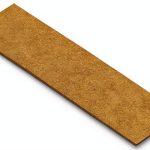
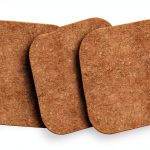
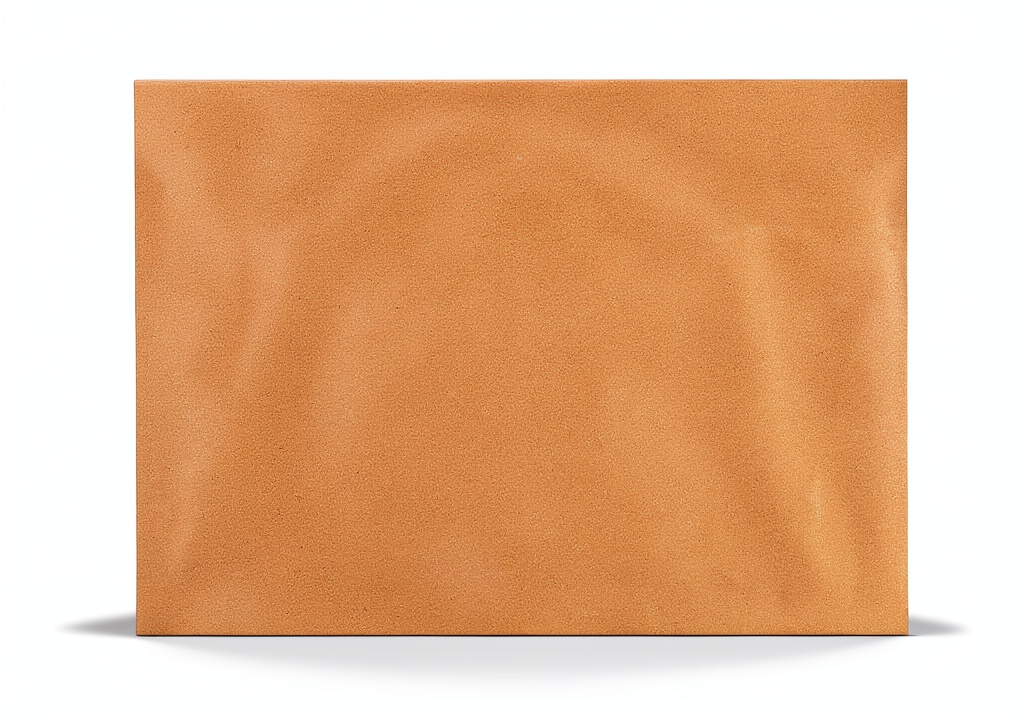
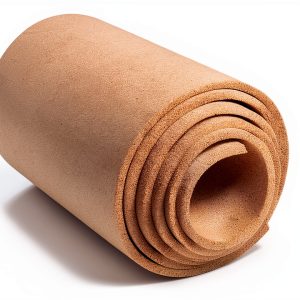
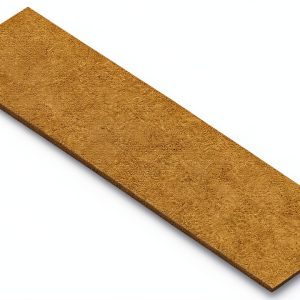
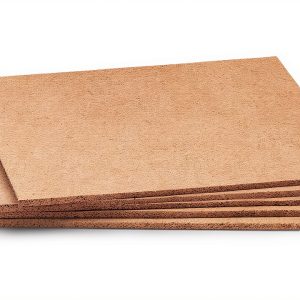
The Grainger CR117 cork sheet is engineered to meet the demanding needs of industrial and creative professionals alike. Measuring a generous 24 inches by 36 inches, this sheet offers a broad, uninterrupted surface that is perfect for a wide range of applications, from acoustic panels to craft projects. Its 1.5 mm thickness provides a balanced combination of flexibility and structural integrity, allowing the material to be cut, shaped, and adhered without compromising durability. Weighing only 0.32 ounces, the sheet is remarkably lightweight, which simplifies handling, transportation, and installation. The cork is sourced from multiple origins, ensuring a consistent grain pattern and natural resilience that absorbs sound, dampens vibrations, and provides thermal insulation. Grainger’s approval guarantees that each sheet meets strict quality standards, delivering a reliable raw material that performs consistently across diverse environments. Whether you are constructing a sound‑absorbing wall, creating a custom display, or needing a versatile backing for industrial components, this cork sheet offers the performance and adaptability required for professional results.
Usage
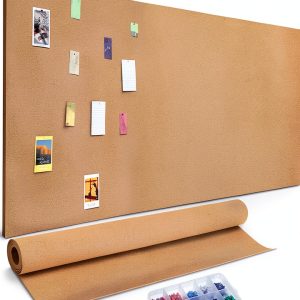
This cork sheet excels in a variety of settings, making it a go‑to choice for manufacturers, designers, and hobbyists. In industrial contexts, it serves as an excellent backing for machinery, providing vibration dampening and protecting sensitive equipment from shock. Its acoustic properties are valuable in office spaces, studios, and conference rooms where noise reduction is essential. For craftspeople, the sheet’s easy‑to‑cut nature allows for intricate designs, custom stamps, and decorative inlays. Interior designers often incorporate cork sheets into wall coverings, floor underlays, and ceiling tiles to create sustainable, eco‑friendly installations that also improve indoor air quality. The sheet’s resistance to moisture and mold makes it suitable for use in humid environments such as kitchens, bathrooms, and laboratories. Additionally, its natural fire‑resistant characteristics add a layer of safety in applications where flame retardancy is required. The versatility of the CR117 sheet means it can be employed in educational settings for science projects, in retail displays for product mounting, and in automotive interiors for noise control.
Why Choose Us
Choosing Grainger’s CR117 cork sheet means selecting a product backed by a reputation for reliability and quality assurance. Each sheet undergoes rigorous testing to verify thickness uniformity, density, and acoustic performance, ensuring that you receive a material that meets exact specifications. Grainger’s extensive supply chain guarantees consistent availability, so you can rely on timely delivery for large‑scale projects. The cork is harvested sustainably, supporting environmental stewardship while providing a renewable resource that does not compromise on performance. Our customer support team is trained to assist with technical inquiries, offering guidance on cutting techniques, adhesive selection, and installation best practices. Should you encounter any issues, our after‑sales service includes prompt assistance and, if necessary, replacement options. By partnering with Grainger, you benefit from a trusted brand that prioritizes product integrity, safety compliance, and user satisfaction, making the CR117 cork sheet a dependable choice for both everyday and specialized applications.
Key Features
- Generous 24″ x 36″ size provides ample coverage for large projects and reduces the need for seams.
- Precise 1.5 mm thickness balances flexibility with strength, allowing easy cutting while maintaining durability.
- Lightweight design (0.32 ounces) simplifies handling, shipping, and installation for any workspace.
- Natural acoustic and thermal insulation properties improve sound quality and energy efficiency in built environments.
- Dedicated Grainger customer support ensures expert assistance, technical guidance, and reliable after‑sales service.
FAQ
What types of adhesives work best with this cork sheet?
For most applications, a high‑quality contact adhesive or a water‑based acrylic glue provides a strong, lasting bond without damaging the cork. When the sheet will be exposed to moisture or temperature fluctuations, a polyurethane‑based adhesive is recommended because of its superior water resistance and flexibility. Always follow the manufacturer’s instructions for surface preparation, such as cleaning the area with a mild solvent and allowing the adhesive to become tacky before applying the cork. For delicate crafts, a spray adhesive can offer a temporary hold that is easy to reposition before final placement.
Can the cork sheet be painted or stained?
Yes, the cork sheet can be painted, stained, or dyed to match specific design requirements. It is advisable to use a primer designed for porous surfaces to ensure even absorption and color consistency. Acrylic or latex paints work well, while oil‑based paints may penetrate deeper and provide a richer finish. For staining, a water‑based cork stain will enhance the natural grain without compromising the material’s flexibility. After applying any finish, allow the sheet to dry completely before handling to prevent smearing or damage.
Is the cork sheet fire‑resistant?
The cork material possesses inherent fire‑resistant properties due to its natural composition, which means it will not ignite easily and will self‑extinguish when the flame source is removed. However, it is not classified as a fire‑retardant material for high‑hazard environments. For applications requiring strict fire safety compliance, consider using a certified fire‑retardant coating or selecting a cork product specifically labeled as fire‑rated. Always consult local building codes and safety regulations to determine the appropriate level of fire protection needed for your project.
How should the cork sheet be stored to maintain its quality?
Store the cork sheets in a cool, dry environment away from direct sunlight and extreme temperature changes. Keeping them flat and protected from heavy loads prevents deformation and maintains the uniform thickness. If the sheets are packaged, retain the original packaging until use to shield the material from dust and moisture. For long‑term storage, a climate‑controlled warehouse with humidity levels between 30% and 50% helps preserve the cork’s natural elasticity and prevents mold growth.
Can the cork sheet be recycled after use?
Yes, cork is a fully recyclable and biodegradable material. After the sheet has served its purpose, it can be shredded and repurposed for new cork products, such as flooring tiles, insulation panels, or garden mulch. Many recycling programs accept cork waste, and some manufacturers offer take‑back schemes for used cork materials. By recycling the sheet, you contribute to a circular economy and reduce environmental impact, aligning with sustainable building practices.
Reviews
There are no reviews yet.